

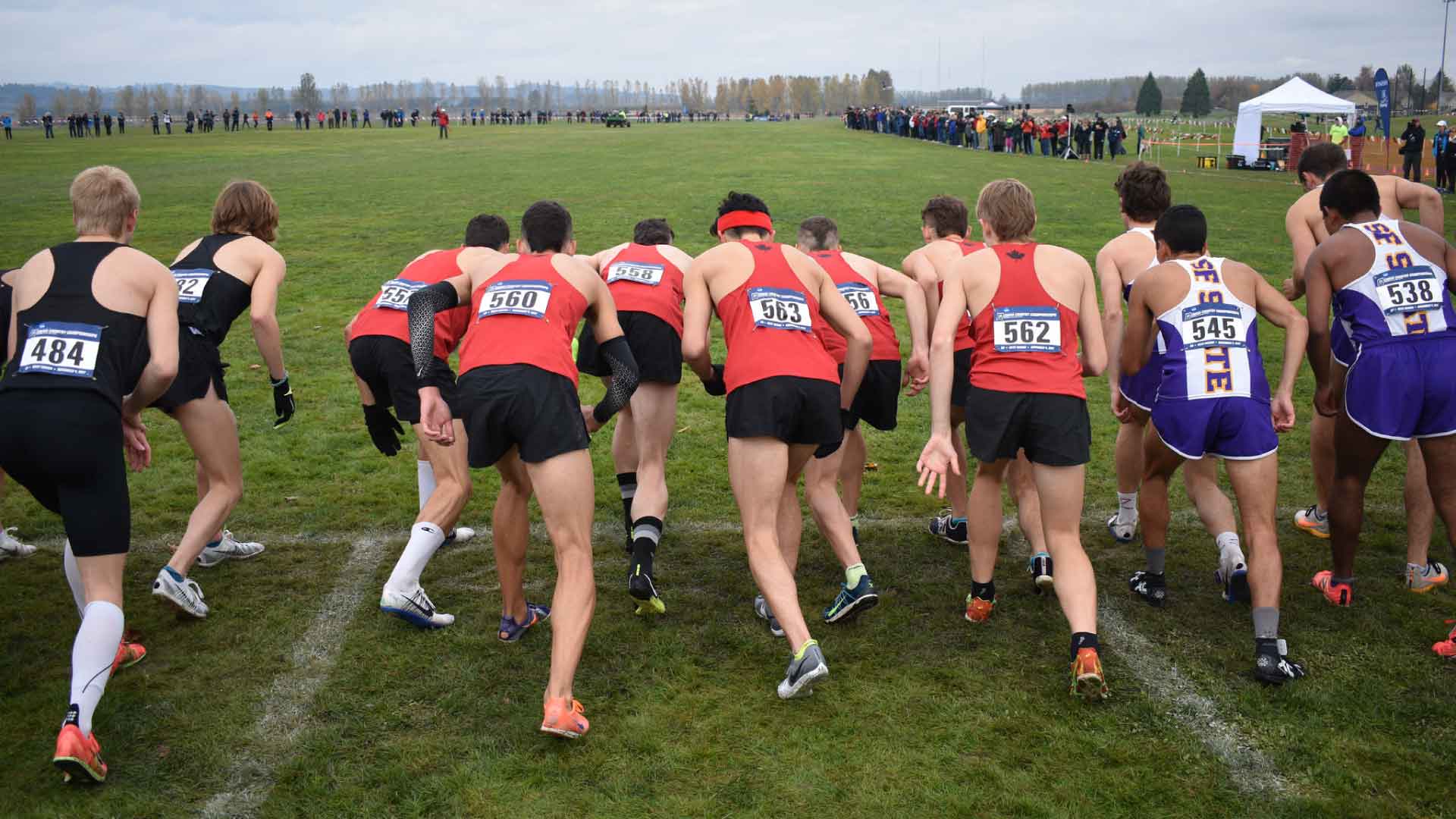


Track and field scholarships at a glance
Athletic scholarships in track and field come from NCAA Division I and II, the NAIA, and the NJCAA, and from U SPORTS schools in Canada. Most awards are partial, and the rules changed in 2025.
- NCAA D1 schools that opted in to the House settlement have no scholarship limit, but rosters are capped at 45 per gender.
- NCAA D2 teams share 12.6 scholarships per gender across track and cross country.
- NCAA D3 schools give no athletic aid, only academic and need-based aid.
- NAIA teams have 12 track scholarships and a separate 5 for cross country.
Want the performances coaches recruit? See track and field scholarship standards by event and division.
How to earn a track and field scholarship
- Build a profile with verified performancesCoaches trust results checked with official meet results.Create a free profile →
- Find the levels where you would scoreCompare your performances with recruiting standards by division and event.Track and field recruiting standards →
- Register with the eligibility centersNCAA programs need you registered with the NCAA Eligibility Center, and NAIA programs with PlayNAIA.
- Contact coaches with your performancesLead with your best performances, your grades, and your graduation year.How to contact college coaches →
- Compare the net cost of every offerAdd athletic, academic, and need-based aid, then compare what your family pays.Parents' guide to cost, budgets, and offers →
- Sign on the right dateKnow the signing dates for each association before you commit.
The full process is in the college track and field recruiting guide. Parents can start with the questions families ask us most.
How many track scholarships each division has
Limits are per team, per gender. "12.6" means 12.6 full scholarships that a coach can split into partial awards.
| Division | Men's track and field | Women's track and field | Cross country | Roster limit |
|---|---|---|---|---|
| NCAA D1, schools that opted in to the House settlement | No scholarship limit | No scholarship limit | No scholarship limit | 45 for track and field, 17 for cross country |
| NCAA D1, schools that did not opt in | 12.6, shared with cross country | 18, shared with cross country | Shared with track | Set by the conference or school |
| NCAA D2 | 12.6, shared with cross country | 12.6, shared with cross country | Shared with track | No limit |
| NCAA D3 | No athletic aid | No athletic aid | No athletic aid | No limit |
| NAIA | 12 | 12 | 5, separate from track | No limit |
| NJCAA D1 and D2 | 20 | 20 | 10, shared with the half marathon | No limit |
| NJCAA D3 | No athletic aid | No athletic aid | No athletic aid | No limit |
| U SPORTS (Canada) | Set by each school | Set by each school | Set by each school | No national limit |
- In NCAA D1 schools that did not opt in, and in NCAA D2, cross country and indoor and outdoor track share one limit.
- Most Division I schools opted in. A conference can set roster limits below 45 and 17.
- No limit does not mean full scholarships for everyone. Each school decides how much aid to fund.
More on the change: the 2025 NCAA D1 roster and scholarship changes, and how NCAA D1, D2, and D3 differ.
Men's and women's track scholarships
Men's track scholarships
Men's teams have the same limits as women's in every association except NCAA D1 schools that did not opt in, where men's teams keep 12.6.
| Division | Limit per team |
|---|---|
| NCAA D1, opted in | No limit; roster of 45 (17 in cross country) |
| NCAA D1, not opted in | 12.6, shared with cross country |
| NCAA D2 | 12.6, shared with cross country |
| NCAA D3 | No athletic aid |
| NAIA | 12 for track and field, 5 for cross country |
| NJCAA D1 and D2 | 20 for track and field, 10 for cross country |
| U SPORTS | Set by each school |
Women's track scholarships
Women's teams at NCAA D1 schools that did not opt in keep 18. Every major association has at least as many women's teams as men's.
| Division | Limit per team |
|---|---|
| NCAA D1, opted in | No limit; roster of 45 (17 in cross country) |
| NCAA D1, not opted in | 18, shared with cross country |
| NCAA D2 | 12.6, shared with cross country |
| NCAA D3 | No athletic aid |
| NAIA | 12 for track and field, 5 for cross country |
| NJCAA D1 and D2 | 20 for track and field, 10 for cross country |
| U SPORTS | Set by each school; at least 45% of award units go to each gender |
Cross country scholarships
- NCAA D1 schools that opted in cap cross country rosters at 17 per gender.
- In NCAA D1 schools that did not opt in, and in NCAA D2, cross country shares the track limit.
- NAIA cross country has its own 5 scholarships, separate from track.
- NJCAA cross country shares 10 scholarships with the half marathon.
NCAA Division I scholarships after the House settlement
| Opted in | Did not opt in | |
|---|---|---|
| Scholarship limit | None | 12.6 for men and 18 for women, shared with cross country |
| Roster limit | 45 for track and field, 17 for cross country, per gender | Set by the conference or school |
| Partial awards allowed | Yes, in any amount | Yes |
| Does every athlete get aid? | No. Nothing requires a school to fund 45 athletes. | No |
What your performances can mean for a scholarship
For most coaches, whether you would score at their conference championship is the biggest factor in an athletic offer.
| Your performances | What it usually means |
|---|---|
| Would score at the conference championship | The strongest case for athletic money at every level. How much still depends on the team's budget, roster limit, and who else is returning. |
| Close to scoring and still improving | Partial athletic aid or a roster spot, often with academic aid filling the gap. |
| Meets the program's recruiting standard | A roster spot. Athletic money is less likely, so academic and need-based aid matter most. |
| Below the standard | Look at levels where your performances would score, and check again as you improve. |
- NCAA D1 schools that opted in can fund every athlete on a full scholarship, but rosters are capped and most track budgets have not grown since 2025.
- NCAA D2 teams share 12.6 equivalencies, so a team full of conference scorers still splits the same budget.
- NCAA D3 schools give no athletic aid. Academic and need-based aid make up the whole package.
- NAIA counts most academic aid toward the team limit unless the athlete earns an academic exemption.
- U SPORTS awards are capped at tuition and compulsory fees, and each school sets its own amounts.
See the performances by event in our college track and field recruiting standards, or enter yours in the track and field recruiting calculator. The conference-impact lens shows how to match your PRs to a conference.
How much a track scholarship is worth
There is no reliable average for track and field. An award's value depends on the school's cost, so compare what each award covers and what your family pays after it.
| Division | Can cover |
|---|---|
| NCAA D1 | Full cost of attendance: tuition and fees, housing and food, books, and other attendance costs |
| NCAA D2 | Tuition and fees, food and housing, and books, within the cost of attendance |
| NCAA D3 | No athletic aid |
| NAIA | Tuition, mandatory fees, books and supplies, and room and board |
| NJCAA D1 | Tuition and fees, room and board, books, some supplies, and one round trip a year |
| NJCAA D2 | Tuition and fees, books, and some supplies; no room and board |
| U SPORTS | Tuition and compulsory fees only |
| Award | Athletes | Equivalencies |
|---|---|---|
| Full awards | 4 athletes at 100% | 4.0 |
| Half awards | 12 athletes at 50% | 6.0 |
| Quarter awards | 10 athletes at 25% | 2.5 |
| Small award | 1 athlete at 10% | 0.1 |
| Total | 27 athletes on aid | 12.6 |
An example only. Every coach splits the budget differently.
Combining athletic, academic, and need-based aid
Academic and need-based aid often make up most of a track athlete's package. Whether they stack on top of an athletic award depends on the association.
| Division | Academic and need-based aid |
|---|---|
| NCAA D1, opted in | There is no team limit, so academic and need-based aid can stack up to the cost of attendance. |
| NCAA D1, not opted in | Some academic aid counts toward the limit; ask the school how it treats yours. |
| NCAA D2 | No. Only aid from the athletics department counts, so academic and need-based aid stack on top. |
| NCAA D3 | There is no athletic aid. Academic and need-based aid follow the same rules as every student. |
| NAIA | Yes, unless the athlete earns an academic exemption (see the next table). |
| NJCAA | No, if the aid is open to every student and run by the financial aid office. |
| U SPORTS | Academic and government awards sit outside the cap on athletic awards. |
| Measure | Half exempt | Fully exempt |
|---|---|---|
| SAT | 1140 | 1280 |
| ACT | 23 | 27 |
| High school GPA | 3.50 to 3.74 | 3.75 to 4.0 |
| Class rank | Top 11% to 25% | Top 10% |
Ways to lower what your family pays
- Ask each school which academic awards your grades and major will earn.
- Use each school's net price calculator for need-based aid.
- Look at tuition-exchange programs such as the Western Undergraduate Exchange.
- Apply for private scholarships, such as those listed on Bold.org's track scholarships list.
When coaches can offer and when you sign
The National Letter of Intent ended in 2024. NCAA schools now use a written athletics aid agreement with the same signing dates.
| When | What can happen |
|---|---|
| June 15 after sophomore year | NCAA D1 coaches can start calls and private messages. |
| June 15 before junior year | NCAA D2 coaches can start recruiting communication. |
| August 1 of senior year | NCAA D1 coaches can offer aid in writing. |
| November 1 | First day to sign an NJCAA letter of intent. |
| Second Wednesday of November | First day to sign an NCAA D1 or D2 athletics aid agreement. |
| Any time | NAIA schools have no national signing date. |
Before you accept a scholarship offer
Five questions to ask
- Which academic awards will my grades and major earn here?
- Does academic aid stack with my athletic award, or count toward it?
- Will my award stay the same if I am injured?
- Can my award go up after the first year, and on what basis?
- What exactly will be in the written offer?
How track offers usually work
- Most track and field scholarships are partial. A coach splits one budget across every event group.
- Big offers follow conference scoring. A coach can justify a full award with points.
- Coaches spend their budget early, and an offer rarely goes up after a later PR.
- A returning senior or fifth-year athlete can take the money a recruit was hoping for, so rosters shape offers as much as performances.
- Compare offers by what your family pays after every award, not by the athletic number.
What coaches tell us
- Some coaches split a fixed pool, so a bigger award for one recruit means smaller awards for others.
- Some programs give the larger of an academic or athletic award rather than both, while others combine them.
- Strong grades stretch a coach's budget, because academic aid frees athletic money for other recruits.
- At NCAA D3 schools, almost every admitted athlete receives merit aid, and it rises with GPA.
- Later recruits often find less athletic money left, and academic award deadlines often fall between December and March.
- Awards can change after the first year. Some need a GPA to renew, and some start only in year two.
- Coaches often ask walk-ons early whether their family can cover the full cost.
- Most athletes on NAIA and junior college rosters receive some aid.
Track scholarships in Canada
- U SPORTS athletic awards are capped at tuition and compulsory fees. Housing and living costs are not covered.
- First-year athletes qualify once they are admitted and enrolled. The old 80% entering-average rule ended in 2024-25.
- Each school sets its own amounts, and some conferences set lower caps. Ontario caps awards at $5,000 a year.
- Academic and government awards sit outside the cap, so they can add to an athletic award.
Compare athletic scholarships in Canada and the United States.
Junior college track scholarships
- NJCAA D1 programs can offer up to 20 track and field and 10 cross country and half marathon awards, including room and board.
- NJCAA D2 awards cover tuition, fees, and books, but not room and board.
- NJCAA D3 programs give no athletic aid.
- The first day to sign an NJCAA letter of intent is November 1.
Read how athletes use JUCO as a route to an NCAA scholarship.
More on scholarships from the blog
 What a D2 Head Coach Looks For in a Track and Field Recruit: Insight from Coach Taylor Cudequest at PennWest Edinboro
 When to Ask College Coaches About Scholarships
 The Conference-Impact Lens: How to Match Your PRs to College Track & Field Programs
 What Is an Athlete Recruitment Plan? (See a Full Sample)
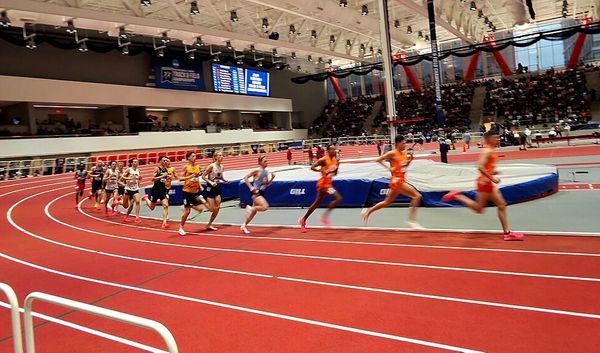 How NCAA Track & Field Recruiting Changed: 2021 to Today
 D1 vs D2 vs D3: How the NCAA Divisions Differ and How to Find Your Level in Track and Field
 Official and Unofficial Recruiting Visits: A Track and Field Athlete's Guide to NCAA, NAIA, U SPORTS, JUCO, and CCAA Rules
 Jimmy Reed Signs With Montana State University Billings
 One Big Tip for High School Track & Field Athletes Targeting NCAA Division I Recruitment
Frequently asked questions
It depends on whether the school opted in to the House settlement. Schools that opted in have no scholarship limit but cap rosters at 45 for track and field and 17 for cross country, per gender. Schools that did not opt in keep the old limits of 12.6 for men and 18 for women, shared with cross country.
Up to 12.6 full-scholarship equivalents for men and 12.6 for women. Each limit is shared between cross country and indoor and outdoor track, so most awards are partial.
No. NCAA D3 schools give no athletic aid, but many give academic and need-based aid, and most athletes at some D3 schools receive academic aid.
Up to 12 for track and field and a separate 5 for cross country, per gender. Most academic aid counts toward that limit unless the athlete earns an academic exemption.
Yes, in NJCAA D1 and D2. Each can offer up to 20 track and field awards and 10 cross country and half marathon awards. NJCAA D2 awards cover tuition, fees, and books only, and NJCAA D3 programs give no athletic aid.
Full rides exist, but most track and field scholarships are partial. Full awards usually go to athletes who would score at the conference championship, and even then they depend on the budget and the roster.
Every major association has at least as many women’s teams as men’s, with clearly more in NCAA D1. At D1 schools that did not opt in to the House settlement, women’s teams also keep more scholarships than men’s teams.
Often, yes. In NCAA D2 and the NJCAA, most academic and need-based aid stacks on top of an athletic award. In the NAIA, academic aid counts toward the team limit unless you earn an academic exemption. Ask every school how it treats your aid.
An NCAA D1 school cannot reduce or refuse to renew your aid for athletic reasons, including an injury. In other divisions, awards are often for one year at a time, so ask how the program handles injuries and get the terms in writing.
NCAA D1 coaches can offer aid in writing from August 1 of senior year, and NCAA D1 and D2 athletes can sign from the second Wednesday of November. NJCAA signing opens on November 1, and NAIA schools have no national signing date.
A better senior season rarely changes an offer, because coaches spend their budgets early. You can still make a roster, and athletic aid is possible from your second year as your performances improve.
Yes. U SPORTS schools give Athletic Financial Awards of up to tuition and compulsory fees, and each school sets its own amounts. Academic and government awards can add to them.
Sources, checked 7 October 2026
- NCAA Division I Manual 2026-27, Bylaws 15 and 17
- NCAA Division II Manual 2026-27, Bylaw 15
- NCAA Division III Manual 2026-27, Bylaw 15
- NCAA House settlement questions and answers (June 2025)
- NCAA scholarships and financial aid
- NAIA Official Handbook 2026-27
- NJCAA Handbook, Bylaws Article VI
- U SPORTS athletic scholarship policy changes (2023)